Digital Products & Online Selling
15 Digital Product Ideas for Teachers & Educators
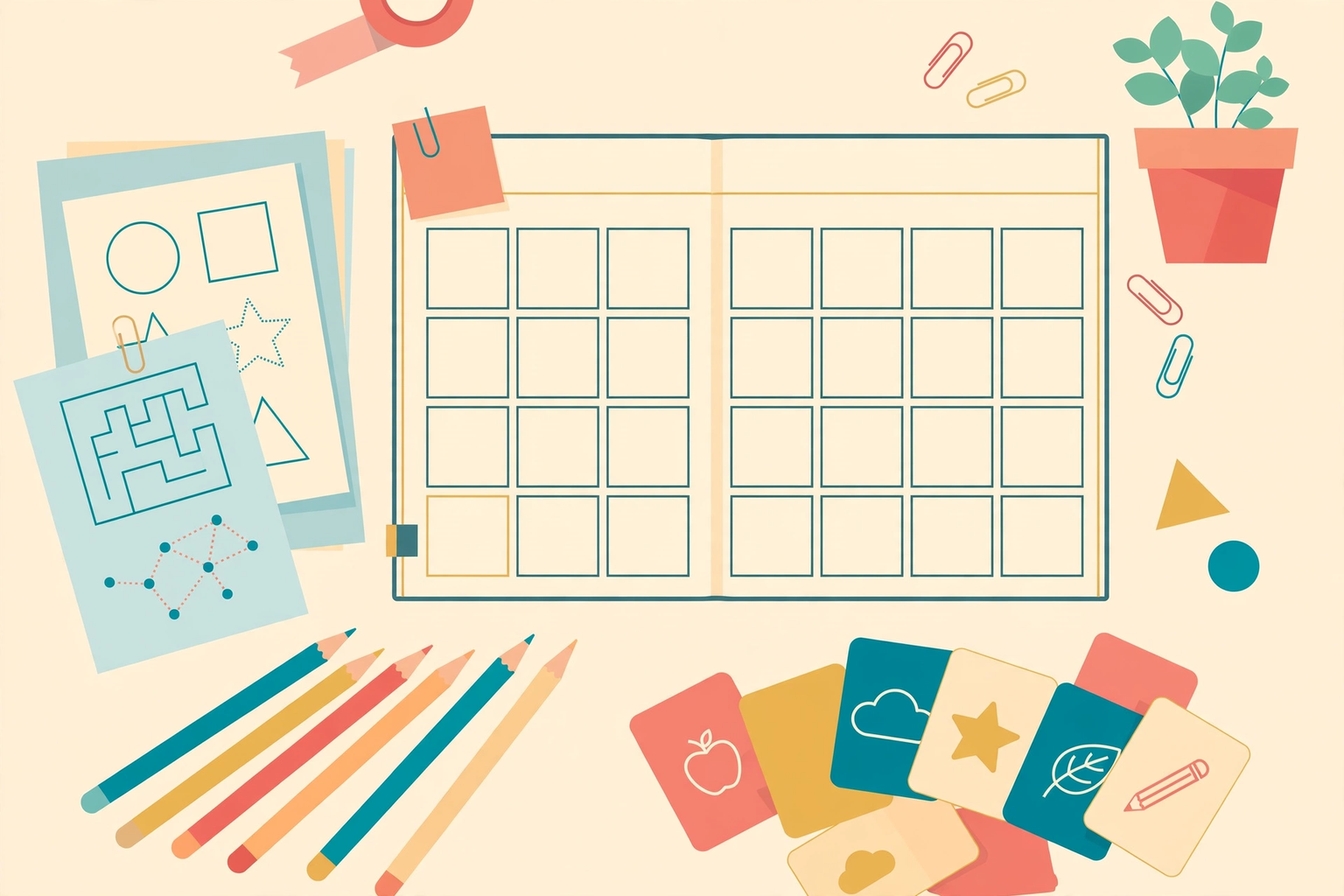
15 practical digital product ideas for teachers and educators — lesson plans, worksheets, classroom decor, sub packs and planners — with buyers, formats, typical prices and what makes each one sell.
Teachers are some of the best digital product sellers — and many of them do not realise it. Every lesson plan, worksheet, classroom routine and grading sheet a teacher makes for their own class is a product another teacher would happily pay for, because it saves them the one thing they never have enough of: time.
This post is not a vague list of "sell printables". Each idea below names who buys it, what format it should be in, roughly what it sells for, and the one thing that makes it sell rather than sit. If you are a teacher selling your first product, or a seller looking for a niche with real, repeat buyers, start here — and start with one idea, not fifteen.
If you are still choosing between product types in general, our guide to best digital products to sell in 2027 for beginners compares them with real costs first. This post goes one level deeper: it is only about the education niche.
Why teachers are a great niche — and why generic products fail in it
Teachers buy differently from general printable buyers. They buy in term cycles (before a school year, before a new term, before exam season), they buy for a specific age group and subject, and they buy again from sellers they trust. A generic "worksheet bundle" competes with thousands of similar listings. A "Year 3 multiplication worksheet pack, aligned to a weekly lesson flow, with answer keys" competes with almost nobody — because the buyer can tell in ten seconds that it was made by someone who has actually taught Year 3 multiplication.
Three rules run through every idea below:
- Name the age group and the job. "For primary teachers" is not specific enough. "For primary teachers planning a week of phonics" is.
- Include the boring parts buyers actually need. Answer keys, instructions, print sizes and editable versions matter more than pretty covers.
- Solve a recurring job, not a one-off decoration. Products teachers use every week — planners, trackers, routine cards — get repeat buyers and bundles. A single poster usually does not.
The 15 ideas
1. Weekly lesson plan templates
The classic teacher product, and still one of the best, because planning is weekly work. A good pack is not one blank template: it is a set of templates for different planning styles (daily, weekly, unit overview), with space for objectives, resources, differentiation notes and reflection.
- Buyer: classroom teachers planning week by week
- Format: printable PDF in A4 and US Letter, plus an editable version if you can offer one cleanly
- Typical price: $5–12 for a pack
- What makes it sell: a filled-in example page, so buyers can see how a real week looks in it before they buy
2. Subject worksheet packs with answer keys
Worksheets are the highest-volume education product, but only when they are built as a pack, not a single sheet. Pick one subject and one skill — for example, fractions for ages 8–10, or verb tenses for English learners — and build 10–20 sheets that progress from easy to hard, each with an answer key.
- Buyer: teachers and homeschool parents teaching that exact skill
- Format: printable PDF, one skill per pack
- Typical price: $4–10 per pack, $15–25 for a full bundle of packs
- What makes it sell: the answer key. Teachers will pay for a pack they can hand out without marking it themselves first.
3. Classroom decor packs that actually match
Decor sells best as a complete, matching set: alphabet posters, number lines, days-of-the-week cards, job charts and labels in one visual style, so a teacher can decorate a whole room from one purchase instead of hunting for matching pieces across five shops.
- Buyer: new teachers setting up a classroom, and teachers redecorating for a new year
- Format: printable PDF, high-resolution, in colour and in ink-saving versions where possible
- Typical price: $8–20 for a full pack
- What makes it sell: a photo-style preview showing the whole set on a wall, not just one poster at a time
4. Behaviour and reward charts
Behaviour charts, sticker charts, reward coupons and class jobs boards are small products with very loyal buyers: teachers use them daily, lose them, and come back for a fresh design or a new theme. Seasonal and themed versions (autumn, space, animals) give you a reason to release new packs through the year.
- Buyer: primary teachers and special education teachers
- Format: printable PDF, one chart per page, with a short instructions page
- Typical price: $3–7 per pack
- What makes it sell: a version that works in black and white as well as colour, since many school printers are not colour printers
5. Flashcards and revision card sets
Flashcards work for almost every subject: times tables, sight words, science vocabulary, history dates, language vocabulary. The winning format is a set that is genuinely complete for one topic — all the times tables from 2 to 12, for example, not a random sample — with a clean front-and-back layout that prints and cuts easily.
- Buyer: teachers, tutors and homeschool parents
- Format: printable PDF with cutting guides, 4–6 cards per page
- Typical price: $3–8 per set
- What makes it sell: completeness. A buyer who finds one missing card will not come back; a buyer who finds a complete set will buy your next one.
6. Reading logs, book trackers and reading challenge packs
Reading logs are simple to make and sell steadily all year, because reading homework never stops. The best packs go beyond a blank log: a reading challenge with milestones, a book review sheet for older children, and a parent note explaining how to use it at home.
- Buyer: primary and middle-school teachers, and homeschool parents
- Format: printable PDF, monthly and term versions
- Typical price: $3–6 per pack
- What makes it sell: the parent-facing page. Products that help the teacher communicate with home get shared between teachers.
7. Morning routine and visual schedule cards
Visual schedules — cards for "morning meeting", "reading time", "lunch", "pack up" — are essential in early years and special education classrooms, and teachers buy them because making a consistent, durable-looking set themselves takes hours. Offer a core set plus add-on packs (special days, assemblies, field trips) so one buyer can keep expanding.
- Buyer: early years and special education teachers
- Format: printable PDF, large cards, with a simple display guide
- Typical price: $4–9 for a core set
- What makes it sell: clear, simple pictures and words that young children can read at a glance, not decorative text they cannot decode
8. Grading trackers and assessment sheets
Teachers track a lot: grades, reading levels, attendance, behaviour points, parent contacts. A well-designed tracker — one that fits a real class size (20–30 pupils, not 10) and a real term length — saves a teacher from building their own spreadsheet every September.
- Buyer: classroom teachers of every level
- Format: printable PDF, or a simple spreadsheet version for teachers who prefer digital tracking
- Typical price: $4–10
- What makes it sell: realistic sizing. A tracker with too few rows is useless, and teachers notice that in the preview.
9. Homeschool curriculum and unit study packs
Homeschool parents are a different buyer from classroom teachers: they want a complete unit they can teach from, not a single worksheet. A unit pack — for example, a two-week unit on the solar system, with lesson outlines, worksheets, a project idea and a quiz — can sell for more than any single sheet, because it replaces planning, not just one activity.
- Buyer: homeschool parents, and tutors running small groups
- Format: printable PDF, 15–30 pages, with a contents page and a parent guide
- Typical price: $12–25 per unit
- What makes it sell: the parent guide. Homeschool buyers need to know what to teach, in what order, and how long each part takes.
10. Substitute teacher packs (sub plans)
Every teacher dreads an unplanned absence, and a ready-made sub pack — a day plan template, class information sheet, emergency activities, behaviour notes and a feedback form for the substitute — is a product teachers buy in advance and keep "just in case". That "just in case" buying is why it sells even outside term-start peaks.
- Buyer: classroom teachers, especially primary teachers
- Format: printable PDF, editable where possible so teachers can fill in their class details
- Typical price: $5–12
- What makes it sell: an editable class-information page. A sub pack a teacher cannot personalise is a sub pack they will not trust on a real sick day.
11. Parent-teacher communication templates
Newsletter templates, conference forms, progress report comments banks, permission slip templates and "what we learned this week" sheets are unglamorous and extremely useful. Teachers do this communication every week, and most of them are writing it from scratch or from a tired old template.
- Buyer: classroom teachers, especially those new to a school or a year group
- Format: editable templates (Canva or document format) plus printable versions
- Typical price: $4–10 per pack
- What makes it sell: editable files. Communication must carry the teacher's own words, so a print-only version limits the product badly.
12. Exam and test preparation packs
Test prep sells in clear seasons: before national tests, entrance exams and end-of-term assessments. Build revision sheets, practice questions with worked answers, and a short study plan for one exam and one age group — not a generic "test prep" bundle that tries to cover every exam at once.
- Buyer: teachers, tutors and parents preparing children for a specific test
- Format: printable PDF with answer keys and worked solutions
- Typical price: $6–15 per pack
- What makes it sell: worked answers, not just answer letters. A practice paper without explanations is just a worksheet; with explanations, it is a revision tool.
13. Science, maths and literacy activity bundles
Cross-curricular activity bundles — a science experiment sheet plus a recording sheet, a maths game plus its rules card, a literacy activity plus a word bank — sell because they give a teacher a whole lesson, not a single task. Pick one topic, build 4–6 activities around it, and package them as one lesson kit.
- Buyer: primary teachers planning topic work
- Format: printable PDF, 10–20 pages, with a lesson outline on page one
- Typical price: $8–18 per bundle
- What makes it sell: the lesson outline on page one. Teachers buy the bundle when they can see, in one page, exactly how the lesson will run.
14. Digital planners for teachers
Not all teacher products are printable. A digital planner — a hyperlinked PDF for tablet use, or a spreadsheet planner — serves teachers who plan on a device. A good one includes a year overview, term planners, weekly spreads, meeting notes and a gradebook section, all linked so a teacher can jump between them.
- Buyer: teachers who already use a tablet or laptop for planning
- Format: hyperlinked PDF or spreadsheet, with a short setup guide
- Typical price: $10–25
- What makes it sell: the setup guide and a test file. Digital planners fail when buyers cannot work out how to use them, so the instructions are part of the product, not an afterthought.
15. Teacher self-care and organisation bundles
Planners for the teacher themselves — goal trackers, wellbeing check-ins, password and login sheets, meeting notes, professional development logs — are a smaller but loyal niche. Teachers buy these for themselves, not for their class, so the tone is different: calmer, personal, and practical rather than classroom-bright.
- Buyer: teachers buying for their own organisation
- Format: printable PDF or digital planner
- Typical price: $5–12
- What makes it sell: honesty about the job. A planner that includes space for "hard week notes" and realistic weekly reviews will beat a planner full of motivational quotes.
At a glance: price, effort and buyer
| Idea | Buyer | Format | Typical price | Effort to make |
|---|---|---|---|---|
| Lesson plan templates | Classroom teachers | Printable PDF | $5–12 | Medium |
| Worksheet packs | Teachers, homeschool parents | Printable PDF | $4–10 | Medium–high |
| Classroom decor packs | New teachers | Printable PDF | $8–20 | High |
| Behaviour charts | Primary, special ed teachers | Printable PDF | $3–7 | Low |
| Flashcards | Teachers, tutors, parents | Printable PDF | $3–8 | Medium |
| Reading logs | Primary, middle-school teachers | Printable PDF | $3–6 | Low |
| Visual schedule cards | Early years, special ed | Printable PDF | $4–9 | Medium |
| Grading trackers | All classroom teachers | PDF or spreadsheet | $4–10 | Low–medium |
| Homeschool unit packs | Homeschool parents, tutors | Printable PDF | $12–25 | High |
| Substitute teacher packs | Classroom teachers | Printable PDF | $5–12 | Medium |
| Communication templates | Classroom teachers | Editable templates | $4–10 | Medium |
| Exam prep packs | Teachers, tutors, parents | Printable PDF | $6–15 | High |
| Activity bundles | Primary teachers | Printable PDF | $8–18 | High |
| Digital planners | Tablet-using teachers | Hyperlinked PDF | $10–25 | High |
| Self-care bundles | Teachers (for themselves) | PDF or planner | $5–12 | Medium |
Prices are typical Etsy and Gumroad ranges for small shops, not promises. Your price should reflect what your pack actually contains: a 20-sheet pack with answer keys can charge more than a 5-sheet pack without them, and a bundle should always cost less than buying its parts separately.
How to pick your first one (a 30-minute test)
Do not make all fifteen. Pick one with this test:
- Who exactly? Write one sentence: "This is for [teacher type] teaching [age/subject] who needs [job]." If you cannot fill in all three blanks, the idea is still too vague.
- What do they search for? Type your idea into Etsy search and read the top listings. If the top results are all generic, there is room for a specific version. If they are all already specific to your exact age group and subject, pick a neighbouring topic.
- Can you finish it in a week? A first product should be finishable, testable and listable in a week of spare evenings. Homeschool unit packs and digital planners are excellent second or third products; behaviour charts, reading logs and grading trackers are excellent first products.
- Can you make a second one? The education niche rewards sellers with a range. Pick an idea you can repeat — a worksheet pack in a series, a decor set with seasonal versions — so your first buyer has a reason to come back.
If you are new to actually making the file, our tutorial on how to create a digital product in Canva, start to finish walks through sizing, exporting and testing a printable step by step. And before you price it, read how to price digital products — platform fees take a real share, and the price that looks good on the listing is not the price you keep.
Where to sell teacher products
Marketplaces fit teacher products well, because teachers search there when they need something for Monday morning. Etsy gives you that search traffic but takes listing and transaction fees; Gumroad and your own site give you more of each sale but no built-in traffic, so they work better once you have an audience — from Pinterest, a teacher blog, or repeat buyers. Our comparison of Etsy vs Gumroad vs Stan Store for beginners works through the fee maths for a $20 sale, which is a useful check before you commit to one platform.
Whichever platform you choose, two things matter more than the platform itself: a preview that shows the product in use (a filled-in worksheet, a planner page with a real week on it, a decor set on a wall), and an honest description that lists exactly what is included, the page count, the sizes, and whether answer keys or editable versions are included. Teachers buy on specifics. Vague listings get skipped, however pretty they are.
FAQ
Do I need to be a teacher to sell teacher products?
No, but you need to understand the classroom job the product does. If you are not a teacher, talk to one before you build: ask what they actually print every week, what frustrates them about the products they already buy, and what a product would need to contain for them to trust it on a Monday morning. A product designed from a real teacher's answer to those questions will outsell a product designed from a guess.
What sells best for teachers: printables or editable templates?
Both, for different jobs. Printables win for anything used as-is in class: worksheets, flashcards, decor, charts. Editable templates win for anything the teacher must personalise: lesson plans, sub packs, communication templates, planners. If you are unsure, a printable version plus one editable file (for the pages that need personal details) covers both buyers.
How many pages should a teacher pack have?
Enough to do the job completely, and no more. A worksheet pack needs enough sheets to progress through a skill; a behaviour chart needs one good chart, not ten variations of it. Buyers judge packs on completeness for their specific job, not on page count alone — but a pack that is obviously thin for its price will get skipped, so check comparable listings before you price.
Can I sell the same product on Etsy and Gumroad?
Yes, in most cases, as long as you are selling your own original work and you are not breaking either platform's rules. Many sellers list on Etsy for discovery and sell the same product from their own site or Gumroad to repeat buyers. Keep the files and prices consistent across platforms, and update all listings when you improve the product.
How do I avoid copyright problems with classroom materials?
Make your own original content: your own wording, your own questions, your own layouts. Do not copy worksheets, textbook questions, published reading passages or branded characters, even if you redraw them. Facts and curriculum topics are fine to teach; someone else's exact text, images and characters are not yours to sell. When in doubt, write it yourself.
Start with one, then build the range
The education niche rewards depth, not breadth. One complete worksheet pack for one skill, sold to teachers who teach that skill, will teach you more about this market than fifteen half-finished ideas. Make it, test it by printing it yourself, list it with an honest preview, and then make the next pack in the same series. That is how a teacher-product shop grows: one specific job, done completely, then the next one.